How Conflict Patterns Damage Marriages Over Time
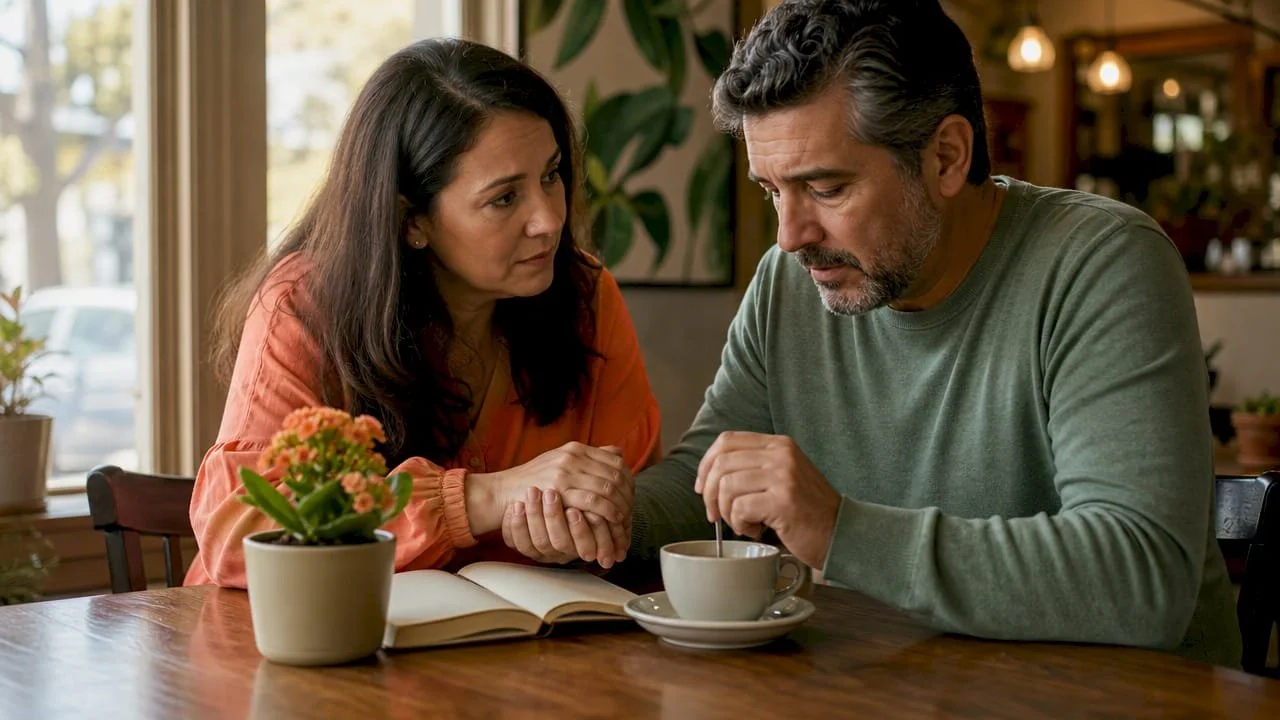
Conflict patterns are repetitive interaction cycles that damage marriages by triggering emotional pain, blocking resolution, and eroding the trust couples need to stay connected. These are not occasional disagreements. They are the same fights, the same silences, and the same emotional exits playing out week after week. Research links chronic marital conflict to a 94% increased stroke risk and a 34% higher likelihood of coronary events over 12 years. Understanding how conflict patterns damage marriages is the first step toward doing something about them.
What are the common conflict patterns that harm marriages?
Destructive conflict patterns in marriage fall into recognizable categories that psychologists and therapists have studied for decades. The most common are pursuit-withdrawal, criticism-defensiveness, and stonewalling. Each one creates a cycle where both partners feel unheard, unsafe, and increasingly disconnected.
Pursuit-withdrawal: One partner pushes for resolution while the other retreats. The pursuer feels abandoned; the withdrawer feels attacked. Neither gets what they actually need.
Criticism-defensiveness: One partner attacks the other’s character rather than addressing a specific behavior. The other partner defends instead of listening. The real issue never gets resolved.
Stonewalling: One or both partners shut down completely. Silence feels like peace, but emotional withdrawal causes unresolved issues to settle and quietly erode intimacy over time.
Contempt: Eye-rolling, sarcasm, and dismissiveness signal that one partner sees the other as inferior. Contempt is one of the strongest predictors of relationship breakdown.
These patterns do not just cause discomfort. Negative conflict cycles like criticism, defensiveness, stonewalling, and contempt escalate hostility and cause measurable damage to the relationship over time. The longer they go unaddressed, the deeper the grooves they carve into the marriage.
Pro Tip:Name the pattern, not the person. When you can say “we’re doing the pursue-withdraw thing again” instead of “you always run away,” you shift from blame to shared awareness. That shift alone can slow the cycle.
How do conflict patterns affect physical and emotional health?
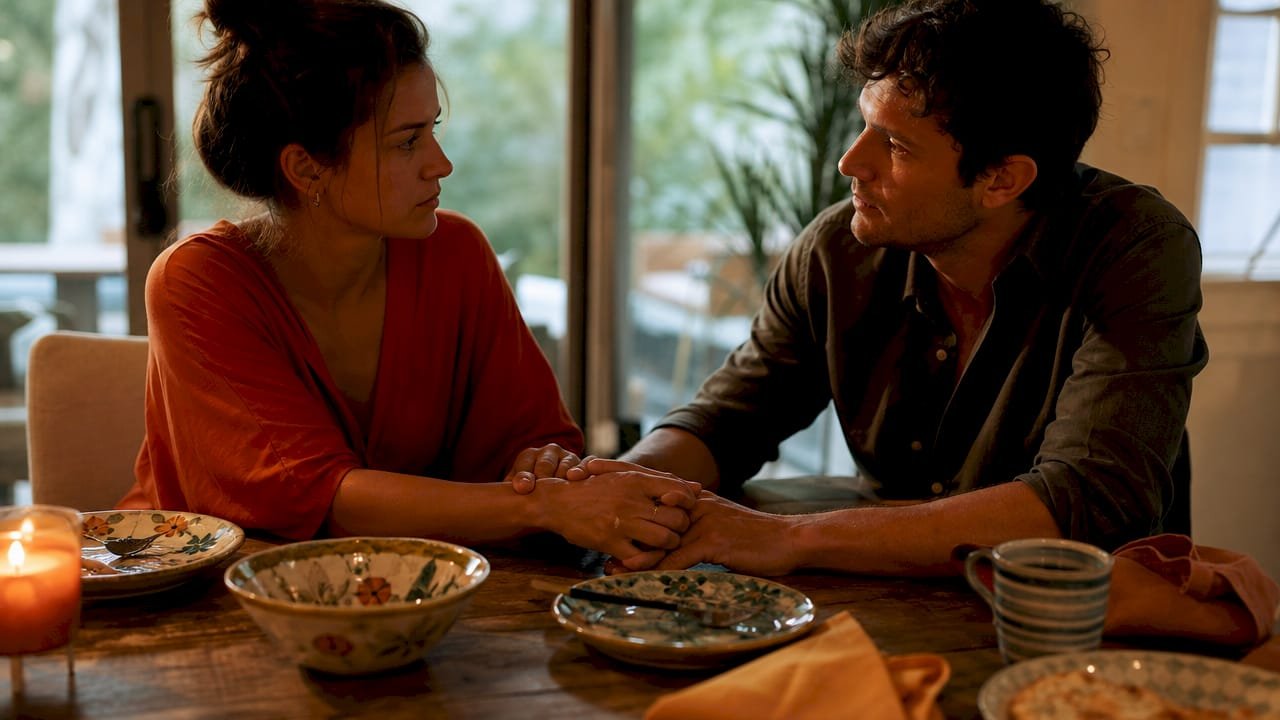
The body registers marital conflict as a threat. Repeated conflict patterns activate the body’s stress response, triggering fight, flight, freeze, or appease behaviors that undermine intimacy and physical health over time.
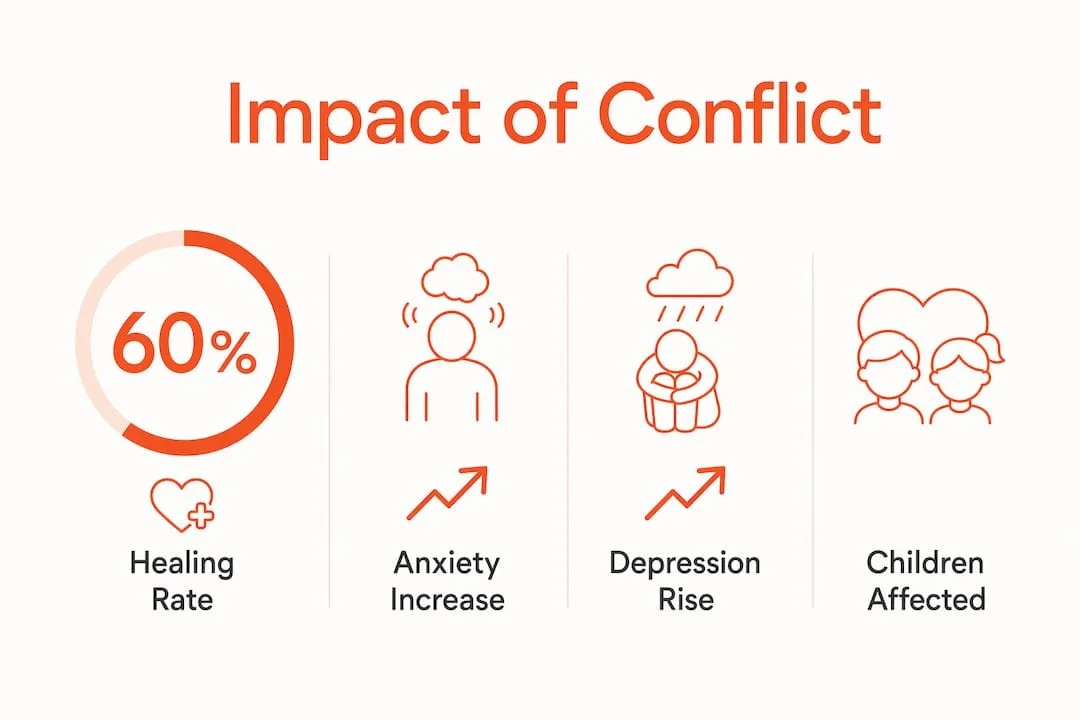
The physiological toll is real and measurable. Couples in high-hostility marriages heal physical wounds at only 60% the rate of couples in low-hostility marriages. That finding means a cut, an illness, or a surgery recovery takes significantly longer when your home feels like a battlefield.
The emotional consequences are just as serious. Unresolved repetitive conflict increases anxiety, depression, and low self-esteem, and creates a pervasive sense of hopelessness that often requires professional support to address. Couples caught in these cycles frequently report feeling like nothing will ever change. That belief becomes its own obstacle to healing.
Children in these households carry the weight too. Ongoing disputes between parents harm children’s well-being in measurable ways, affecting their emotional regulation, sense of security, and their own future relationship patterns.
What psychological mechanisms drive damaging conflict patterns?
Most couples believe they are fighting about money, parenting, or household responsibilities. The real source runs much deeper. Perpetual core conflicts stem from insecure attachments and survival strategies shaped in childhood, not from the surface-level topic of the argument.
Think of it as a Time Machine effect. When your partner raises their voice or goes quiet, your nervous system does not register “my spouse is frustrated.” It registers something that feels like an old wound: abandonment, rejection, or shame. Your response is not to your partner at this moment. It is to every moment in your past that felt the same way.
“Couples are not dysfunctional. They are stuck in survival adaptations from childhood that activate deep fears of loss and shame. These behaviors are adaptations, not dysfunction, that replay past wounds in present relationships.” — Relationship Patterns: Why You Keep Having the Same Fight
Perceptual distortions make the cycle worse. The pursuer interprets silence as abandonment; the withdrawer interprets intensity as an attack. Both partners react protectively, which escalates the very conflict they are trying to escape. The mental narrative each partner holds before the argument even starts skews perception and fuels the cycle unless it is consciously examined and changed.
Attachment insecurity sits at the core of most recurring marital conflict. When couples understand this, they stop treating their partner as the enemy and start seeing the frightened person underneath the defensive behavior.
How can couples recognize and change harmful conflict patterns?
Changing a conflict pattern starts with recognition, not resolution. You cannot fix what you have not named. The goal in the early stages is awareness without blame, which means identifying the cycle as the problem rather than pointing at your partner as the source.
Here is a practical sequence for breaking harmful cycles:
Map your pattern together. Sit down outside of conflict and describe what happens step by step. “You go quiet, I push harder, you leave the room, I feel abandoned.” Naming the sequence removes some of its power.
Slow the reactivity. Couples who approach conflict with calm and a collaborative spirit rebuild connection over time. That calm is a skill, not a personality trait. Practice pausing before responding, even for 30 seconds.
Introduce vulnerability. Instead of “You never listen to me,” try “I feel invisible when we argue, and I need to feel like I matter to you.” Vulnerability interrupts the defensive cycle because it speaks to the real fear underneath the complaint.
Repair quickly. Healthy communication in marriage is a rhythm of turning toward your partner with humility and quick repair, not a perfect conflict-free state. A genuine “I’m sorry I shut down” said within hours matters more than a perfect apology delivered days later.
Seek professional support when the pattern holds. Emotionally Focused Therapy, known as EFT, reduces emotional reactivity and builds vulnerability between partners. A trained therapist can help you see the cycle from outside it, which is nearly impossible to do alone. Matrimo connects couples with licensed therapists who specialize in exactly this work.
The state of marriage research consistently shows that couples who name their struggles early and seek support before crisis point have significantly better outcomes than those who wait until the damage feels irreversible.
Pro Tip: After a conflict, ask each other one question: “What were you actually scared of at that moment?” The answers are almost never about the dishes or the budget. They are about connection, safety, and being enough.
What I’ve learned about conflict patterns that most articles won’t tell you
The most important reframe I have encountered in years of thinking about relationship wellness is this: your conflict pattern is not evidence that your marriage is broken. It is evidence that both of you are human beings with histories.
The couples I find most hopeful are not the ones who never fight. They are the ones who have gotten curious about why they fight the same way every time. Curiosity is the antidote to contempt. When you get genuinely interested in what your partner is protecting themselves from, the dynamic shifts.
The other thing worth saying plainly: repair is not about perfect communication. It is about turning toward each other with humble accountability and emotional presence after things go sideways. Every couple goes sideways. The ones who stay connected are the ones who come back to each other faster and with less armor each time.
Seeing your partner’s behavior as protection rather than attack changes everything. The person who stonewalls is not indifferent. They are overwhelmed. The person who pursues is not controlling. They are terrified of losing you. When you can hold that truth in the middle of a fight, you stop fighting each other and start fighting the pattern together. — Janelle
How Matrimo supports couples working through conflict patterns
Recognizing a harmful conflict pattern is one thing. Having the tools and support to change it is another. Matrimo was built for couples who want to address these cycles before they reach a breaking point, not after.

Matrimo’s relationship wellness platform gives couples practical resources across emotional connection, relational quality, and communication. The 7 ways to stop neglecting your marriage guide is a strong starting point for couples who recognize they have been running on autopilot. For couples who need more direct support, Matrimo’s therapist intake process connects you with professionals who specialize in marital conflict and attachment. Healthy marriages are built with intention, and Matrimo exists to make that intention easier to act on.
FAQ
What are conflict patterns in marriage?
Conflict patterns are repetitive interaction cycles, such as pursuit-withdrawal or criticism-defensiveness, that couples fall into during disagreements. They differ from normal conflict because they repeat without resolution and cause cumulative emotional damage.
How do conflict patterns damage marriages long-term?
Chronic conflict patterns erode trust, increase anxiety and depression in both partners, and carry measurable physical health risks including higher rates of stroke and heart disease. Over time, they replace emotional safety with guardedness and resentment.
Can conflict patterns be changed without therapy?
Couples can make progress by naming their pattern, slowing reactivity, and practicing vulnerability in communication. However, deeply rooted patterns tied to childhood attachment often benefit significantly from professional support, such as Emotionally Focused Therapy.
Why do couples keep having the same argument?
The surface topic is rarely the real issue. Most recurring arguments stem from attachment insecurities and perceptual distortions where partners misread each other’s protective behavior as hostility or abandonment.
How does healthy communication in marriage differ from conflict avoidance?
Healthy communication involves turning toward your partner with honesty and humility, even when it is uncomfortable. Conflict avoidance lets issues accumulate until they surface as resentment, which causes more damage than the original disagreement would have.
Key takeaways
Conflict patterns damage marriages not through single arguments but through repeated cycles that erode trust, physical health, and emotional safety over time.